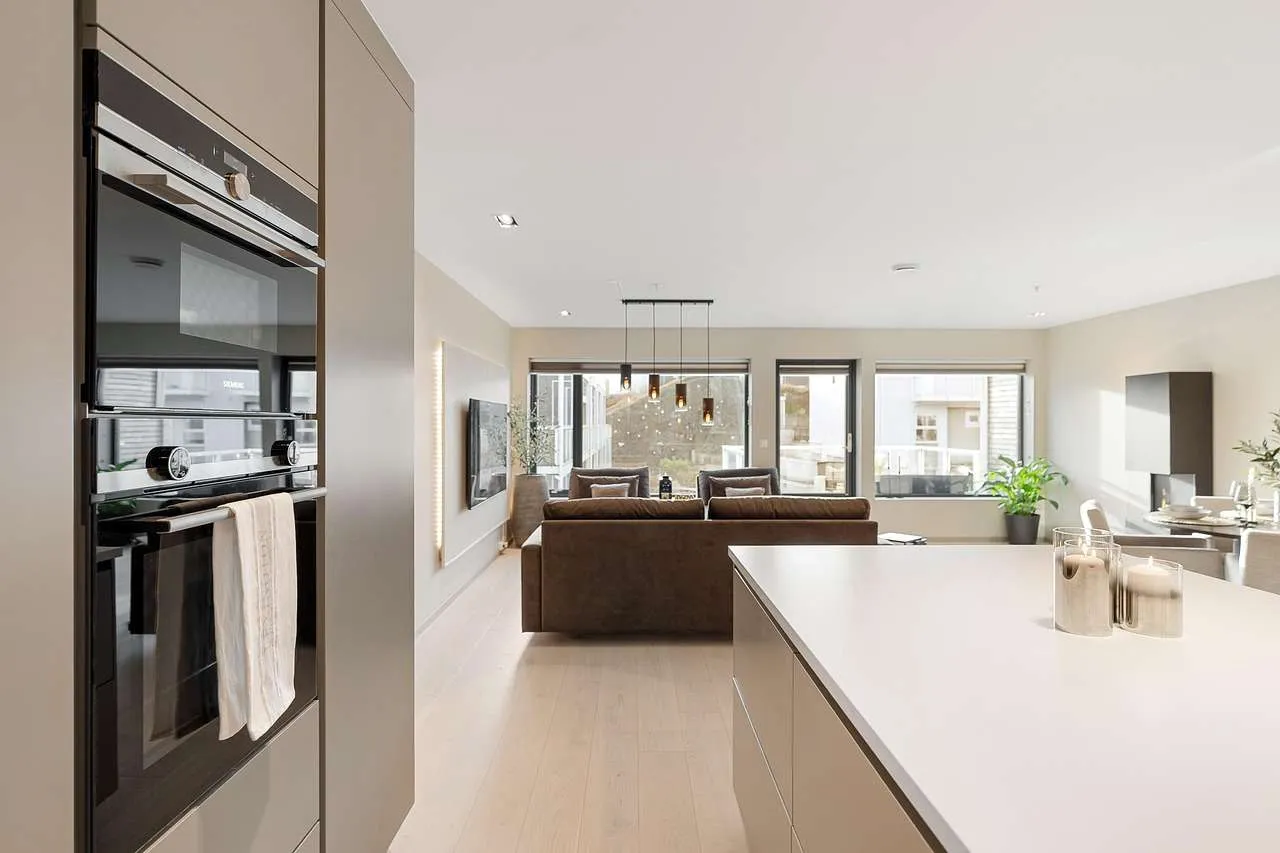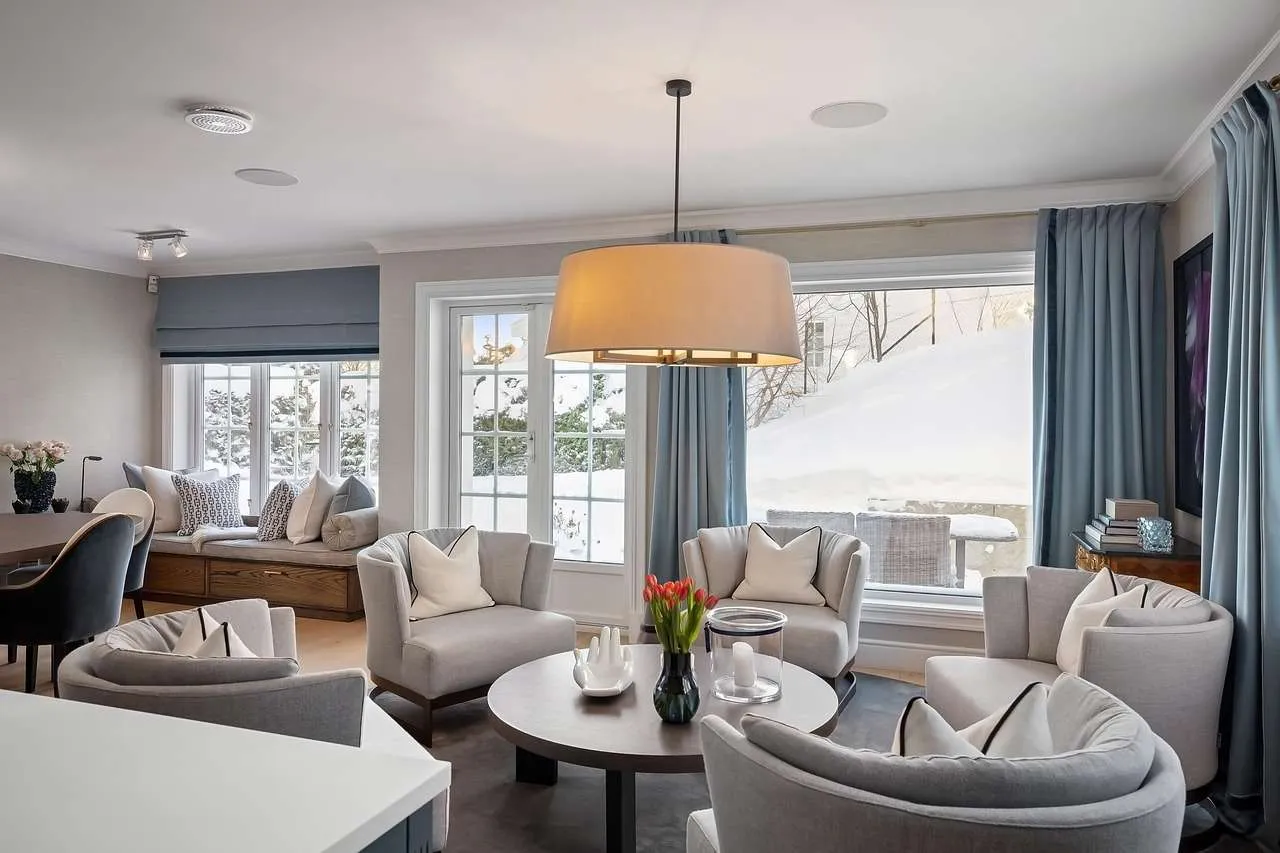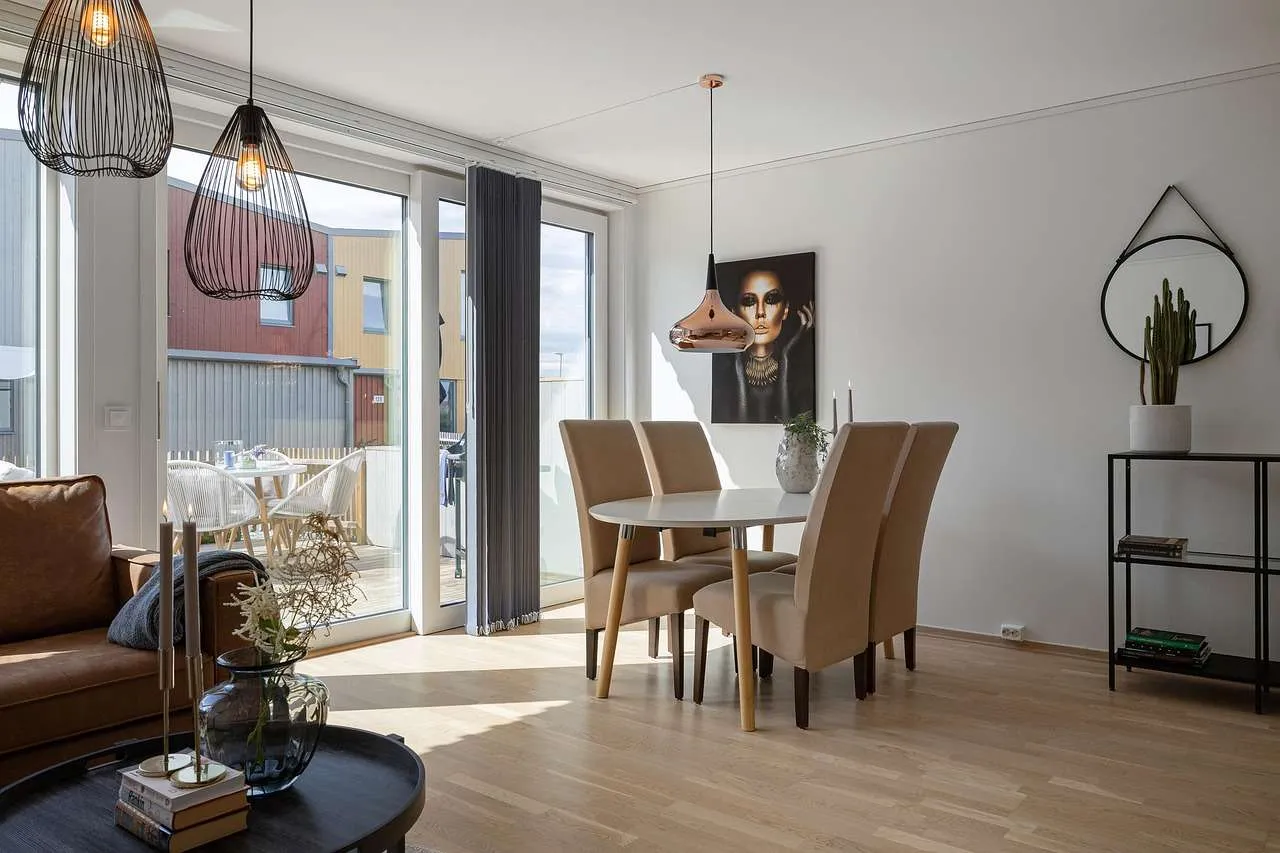
Home window tinting is the process of applying a thin film to glass surfaces inside a home to reduce heat, glare, and UV exposure. It's a practical upgrade for sunny climates, homes with large windows, or rooms with intense sun exposure. A well-chosen film can improve comfort, protect furnishings from fading, and lower energy bills. For homeowners, this is not just about aesthetics; it's a long-term investment that intersects with energy efficiency, indoor air quality, and home safety. By understanding the options, you can select a film that aligns with your climate, home style, and budget while ensuring professional standards and contractor credibility—key aspects of EEAT.
Benefits of home window tinting
Energy savings: Window films reduce solar heat gain, helping rooms stay cooler in summer and sometimes reducing cooling costs over the year. Many homes notice a noticeable drop in air conditioning demand after installation, especially in south-facing or sun-drenched rooms.
UV protection: High-quality films block a large portion of ultraviolet radiation, preserving furniture, carpets, and artwork from fading while offering skin protection for occupants who spend time near sunny windows.
Glare reduction and comfort: By controlling glare, tinting makes screens easier to read and improves daytime comfort in living rooms, home offices, and bedrooms.
Safety and privacy: Some films add a layer of shatter resistance, helping hold glass fragments together during impact. Privacy levels vary by film type, from subtle tint to more opaque options, without sacrificing natural light.
Types of window films
Different films provide different balances of UV rejection, heat control, and aesthetics. Common options include dyed, metalized, ceramic, carbon, and layered (dual) films. Each type has strengths and trade-offs depending on climate, window type, and budget.
Choosing the right film
Climate, orientation, and existing glazing all influence performance. For homes with low-emissivity glazing, some films can complement insulation rather than hinder it. If you want a natural look with strong heat rejection, ceramic or carbon films are popular. If budget is the primary concern, dyed films offer a cost-effective solution, though they may fade over time. Always consider the balance between aesthetics, energy savings, and long-term durability.
DIY vs professional installation
DIY tinting can work for small panes or accent windows, but larger homes benefit from professional installers who bring precise cutting, bubble-free application, and proper surface preparation. A licensed pro can assess your existing glass, recommend compatible films, and provide a warranty on both the film and installation. Professionals also ensure that window seals and frames are not compromised and that any safety concerns are addressed before the job begins.
How to choose a reputable installer
- Verify licenses and insurance, and ask for proof of certifications or affiliations with industry organizations.
- Request written estimates and compare warranty terms for both film and installation.
- Ask for before/after photos, case studies, and client referrals to gauge results and service quality.
- Confirm UV protection data and heat-rejection performance in the contract.
- Discuss maintenance guidance and film compatibility with your existing windows and treatments.
Maintenance and care
Clean the film with a soft cloth and a non-ammonia cleaner to avoid hazing or edge lifting. Avoid abrasive tools and rough cleaners. If edges begin to lift or sealant degrades, contact the installer for guidance or warranty service. Regular inspection can catch issues early and extend film life.
Cost and return on investment
Costs vary by film type, window size, number of windows, and labor. Lower-cost dyed films are appealing initially, but ceramic or carbon films offer higher durability and better long-term energy savings. A typical installation can pay back over time through reduced cooling needs, less fading of interior furnishings, and improved comfort throughout the year. When evaluating proposals, ask for energy performance data, warranty information, and accessibility for future maintenance.
Comparison of window film types
| Film Type | UV Rejection | Heat Rejection | Privacy/Appearance | Pros | Cons |
|---|---|---|---|---|---|
| Dyed | Moderate | Low-Moderate | Tinted | Low cost, good cosmetic appeal | Can fade; may bubble |
| Metalized | High | High | Reflective | Excellent heat reduction | May interfere with electronics, glare |
| Ceramic | Very High | Excellent | Non-reflective, natural look | Best performance, non-conductive | Higher initial cost |
| Carbon | High | High | Matte finish | Stable color, strong glare control | Moderate to high cost |
Conclusion
Summary: Home window tinting offers tangible benefits for comfort, UV protection, and energy efficiency. By selecting the right film type for your climate, hiring a qualified installer, and following proper maintenance, you can maximize return on investment while preserving your home’s aesthetics and value. Working with experienced professionals ensures accurate assessment, reliable performance data, and lasting peace of mind for your home environment.