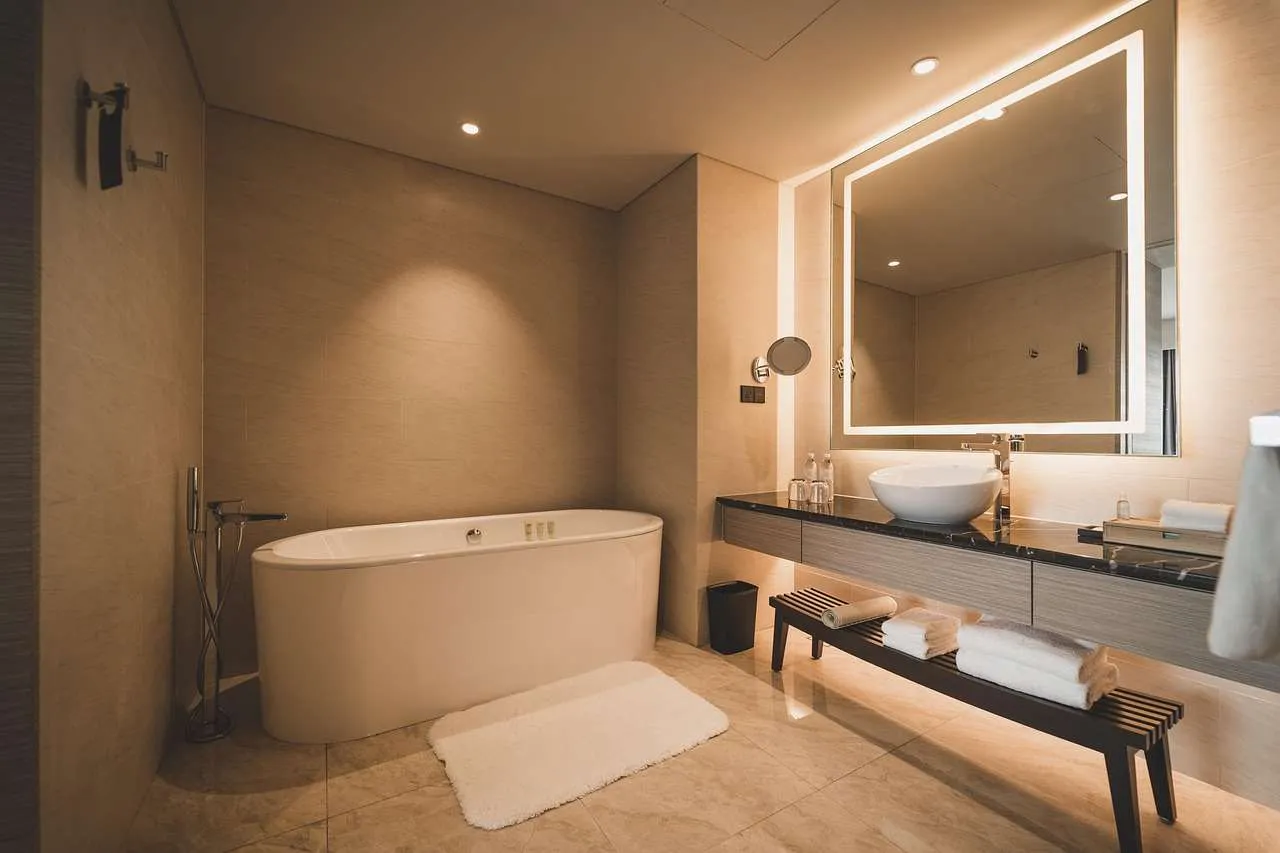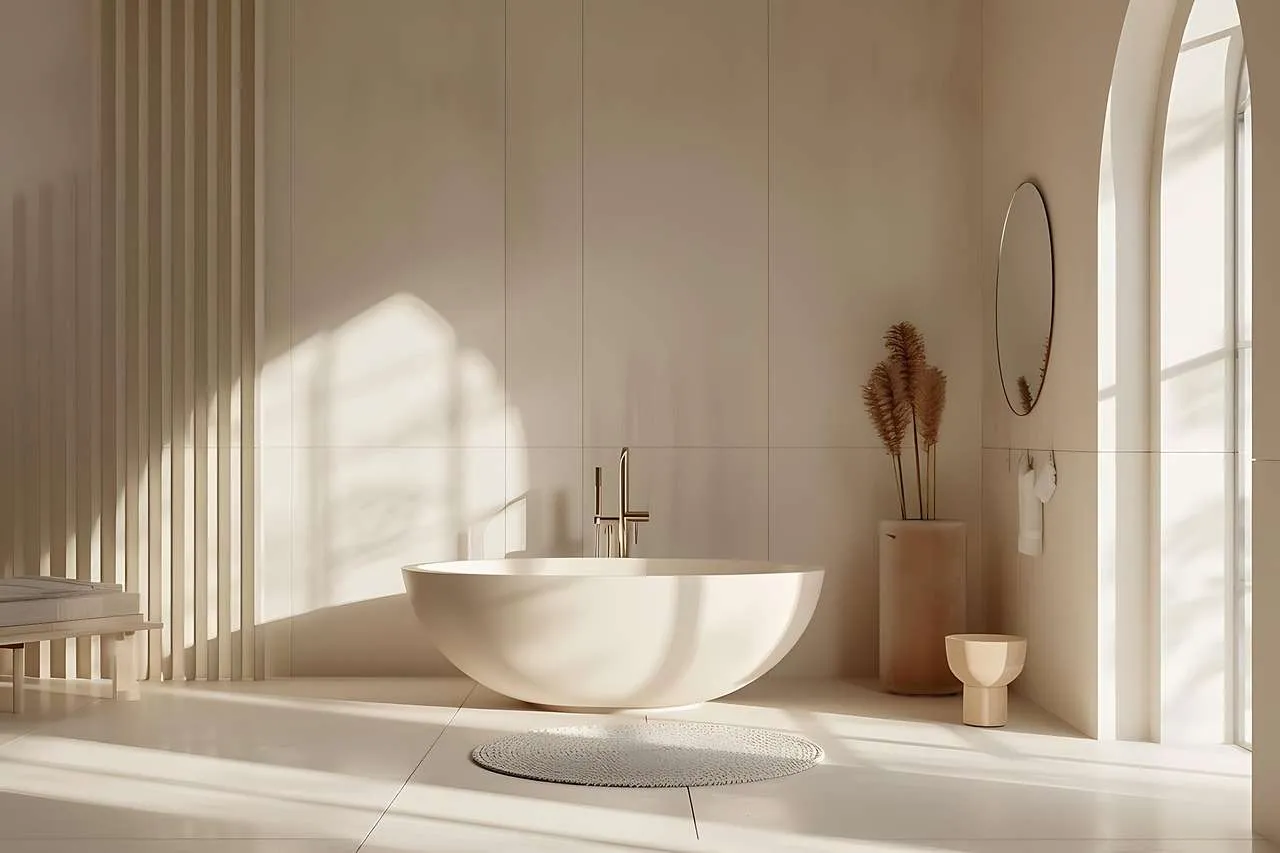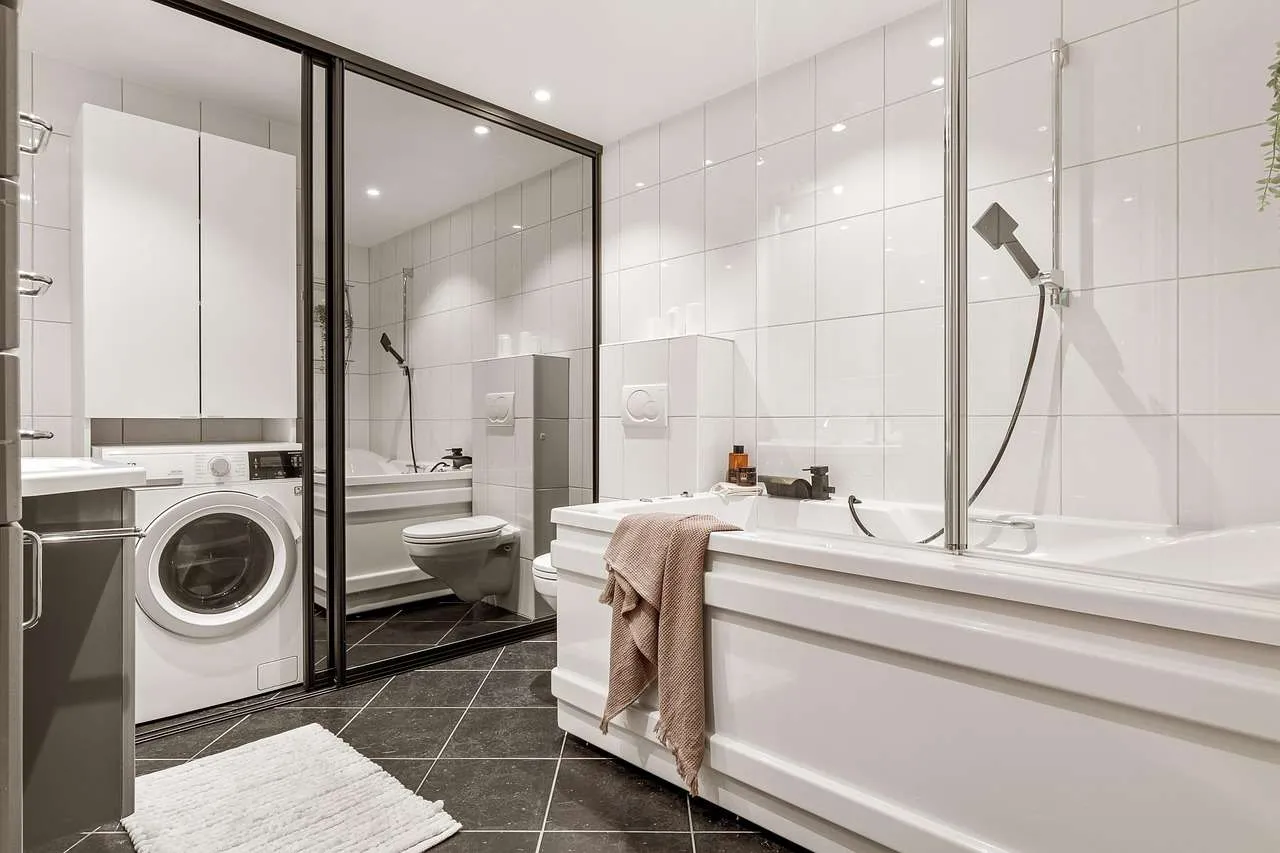
Choosing bathroom tiles goes beyond color and pattern. The tiles you pick influence moisture control, slip risk, cleaning effort, and long-term resale value. With ten years in the field helping homeowners select and install tile, I’ve learned that the best choices balance aesthetics with performance. This guide covers materials, layouts, care, and professional installation tips to help you achieve a bathroom that looks stunning and lasts.
Understanding bathroom tile materials
Tile materials determine water resistance, durability, and maintenance needs. The most common options are ceramic and porcelain, natural stone, glass, and cement. Each has a distinct character and practical profile, so matching the material to the room’s function is essential.
Ceramic and porcelain
Ceramic and porcelain tiles are fired clay. Porcelain is denser and less porous, typically offering water absorption under 0.5% and better performance in wet zones. Ceramic tiles are broader in pattern choices and cost less, but may require more cautious use on wet floors. Both are easy to clean and come in many sizes, from small mosaics to large slabs. For bathrooms, porcelain is a popular choice for floors and showers, while ceramic works well on walls and backsplashes.
Natural stone
Stone such as marble, travertine, or granite brings warmth and uniqueness to bathrooms. They are porous and can be susceptible to staining or etching from acidic cleaners, so sealing is important. Honed finishes reduce glare and slip risk, but can show water marks more readily. When used on floors, ensure the stone has a slip-resistant surface and regular maintenance routine.
Glass and cement
Glass tiles offer bright, reflective surfaces ideal for showers and accent walls but can be more expensive and require careful cutting. Cement tiles deliver bold patterns and color but are porous and typically sealed and maintained more diligently to prevent staining. Both options can create striking focal points while remaining durable when properly installed.
Design and layout tips
Scale and layout dramatically influence the feel of a bathroom. In small spaces, large-format porcelain or ceramic tiles reduce grout lines, creating a smoother surface and a sense of openness. Vertical herringbone patterns can add height, while a glass mosaic on a shower niche adds texture without overwhelming the room. For floors, select tiles with slip resistance ratings (R11 or higher) and consider textures that underfoot feel secure even when wet. Pair warm neutrals with cooler whites for balance, or use a bold accent color sparingly on a feature wall or a border strip to define zones without breaking the room’s harmony.
Care, maintenance, and safety
Maintenance varies by material. Ceramic and porcelain floors clean easily with a neutral pH cleaner; avoid harsh acids that can wear down grout. Resin or epoxy grout resists staining and is a smart choice in showers and wet areas. Natural stone requires regular sealing (often yearly or biannually for high-use surfaces) and prompt spill cleanup to prevent staining. For all tiles, wipe down after showers to reduce moisture buildup and use a squeegee on glass doors. Keep grout lines clean by using a grout brush and a mild cleaner, and consider epoxy grout for high-moisture zones to minimize cracking and discoloration.
Installation considerations
Proper installation begins with substrate prep and waterproofing. Install a waterproof membrane behind walls in wet zones and use cement backer boards that resist moisture. Select a mortar with the appropriate strength for your tile size, and allow for proper curing before use. For showers, plan niches, benches, or grab bars with consistent tile patterns to avoid awkward cuts. Although some DIY work is possible, professional installation ensures correct leveling, cutting, and sealing, protecting your investment and aligning with local codes.
Tile type comparison
| Tile Type | Pros | Cons | Best Use | Maintenance |
|---|---|---|---|---|
| Ceramic | Budget-friendly, versatile patterns | More porous than porcelain | Walls, backsplashes, light-traffic floors | Easy to clean; seal not required |
| Porcelain | Low water absorption, durable | Heavier; cut is harder | Showers, floors, outdoor | Low maintenance; grout sealing optional but recommended |
| Natural Stone | Elegant, unique veining | Porous; requires sealing | Feature walls, luxury bathrooms | Seal regularly; watch for etching |
| Glass | Reflects light; contemporary look | Chips easily; glare | Accent walls, backsplashes | Easy to clean; avoid abrasive cleaners |
Conclusion, thoughtful material choices and professional installation ensure durable, beautiful bathroom tiles that look great for years.